South Coast · Glacier Lagoon

Jökulsárlón Glacier Lagoon in Iceland

Jökulsárlón Glacier Lagoon is one of Iceland’s most breathtaking natural attractions, known for floating icebergs, dramatic glacier scenery and its location beside the famous Diamond Beach. It is a highlight of longer South Coast and Ring Road private itineraries.

Jökulsárlón Glacier Lagoon at a Glance

Region Southeast Iceland
Attraction Type Glacier lagoon
Best Known For Floating icebergs and glacier views
Common Route South Coast / Ring Road
Good For Photography, nature lovers, private tours
Nearby Highlights Diamond Beach, Vatnajökull, Fjallsárlón

What Is Jökulsárlón Glacier Lagoon?

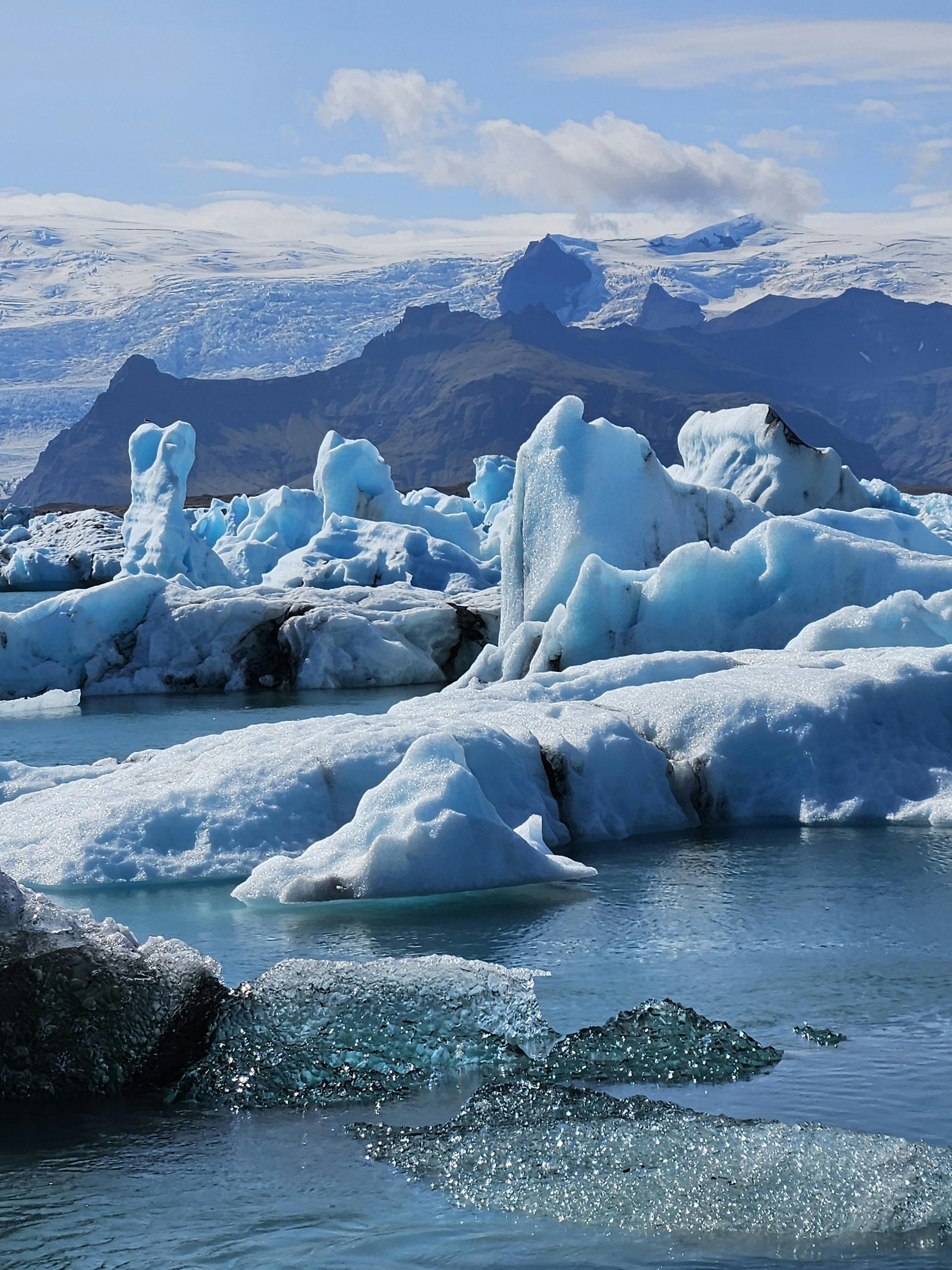
Jökulsárlón Glacier Lagoon is a large glacial lake in southeast Iceland where massive icebergs break off from the edge of Breiðamerkurjökull, a glacier that extends from the Vatnajökull ice cap, and float across the deep blue water toward the sea. The lagoon formed as the glacier retreated and has continued to grow over the past several decades, creating one of the most dynamic and photographed landscapes in the country.

What makes Jökulsárlón so captivating is the constantly changing scene: icebergs drift slowly across the water, their shapes and colours shifting with light and weather, while the backdrop of distant glacier tongues and open sky creates a sense of scale that is hard to match elsewhere in Iceland. The lagoon has appeared in films and photography projects worldwide, yet the real experience of standing at its edge and watching the ice move remains uniquely powerful.

Jökulsárlón sits beside Route 1, Iceland’s main ring road, and has grown into one of the most significant natural attractions on the South Coast, drawing travellers who are exploring the longer scenic routes through the country’s southeast.

Where Is Jökulsárlón Located?

Jökulsárlón Glacier Lagoon with floating icebergs in Iceland

Jökulsárlón lies on Iceland’s southeast coast, between the town of Vík and the glacier-dominated landscapes of Vatnajökull National Park. It sits right beside Route 1, making it a natural stopping point on any South Coast journey or Ring Road itinerary that travels along the southern edge of the country.

The lagoon is surrounded by vast black sand plains, glacier tongues and open coastal scenery, all of which contribute to the dramatic feel of the area. Because it is quite far from Reykjavík, Jökulsárlón is most commonly visited as part of a private multi-day itinerary rather than as a quick day trip, allowing more time to appreciate the glacier lagoon and nearby highlights at a relaxed pace.

How to Get to Jökulsárlón Glacier Lagoon

From Reykjavík, Jökulsárlón is reached by following the South Coast along Route 1, past the waterfalls, volcanic beaches and glacier country that define southeastern Iceland. The journey forms a natural arc through some of the country’s most scenic landscapes, but the distance means most travellers choose to break the route over at least one night.

On a private South Coast itinerary, the drive to Jökulsárlón becomes part of the experience itself, with the route passing Seljalandsfoss, Skógafoss, Vík, Skaftafell and the vast sand plains before reaching the glacier lagoon. A driver-guide manages the timing, conditions and stops along the way, allowing the journey to unfold without pressure.

Jökulsárlón also appears naturally on longer Ring Road itineraries and multi-day private journeys that continue beyond the South Coast toward Southeast Iceland and the East Fjords, making it a rewarding stop within a wider exploration of the country.

What Makes Jökulsárlón Special?

Jökulsárlón feels unlike any other place in Iceland. The lagoon itself is alive with movement: icebergs drift slowly from the glacier edge toward the narrow channel that connects the lake to the Atlantic, their surfaces catching the light in shades of white, blue and grey. The scene changes constantly with the weather, the time of day and the season, which means no two visits feel quite the same.

The photographic quality of the lagoon is extraordinary. Reflections dance on the water between the floating ice, while the glacier background adds depth and scale to every angle. Photographers often describe Jökulsárlón as one of the most rewarding landscapes in the country, particularly in the softer light of morning and evening when the colours intensify.

What makes the lagoon especially memorable is the way it sits within the wider southeast Iceland landscape. After hours of dramatic coastline, volcanic terrain and glacier views, Jökulsárlón feels like the natural culmination of the journey — a place where ice, water, sand and sky meet in a single, expansive scene.

Jökulsárlón and Diamond Beach

Just across the road from the glacier lagoon lies Diamond Beach, one of Iceland’s most distinctive coastlines. Here, fragments of ice that have drifted through the lagoon and out to sea wash back onto the jet-black volcanic sand, creating scattered sculptures of translucent ice against a dark, dramatic shore.

The two sites are closely linked in both geography and experience, and most visitors explore them together. Diamond Beach changes constantly with the tides, weather and ice flow, which means the scene can look very different from one visit to the next. Some days bring large, striking formations; other days the beach is quieter, with smaller fragments glittering against the surf.

Because the ice conditions vary naturally, it is best to visit both Jökulsárlón and Diamond Beach without expecting a specific scene. The combination of the lagoon, the black sand shore and the wider glacier landscape around them is what gives this corner of southeast Iceland its enduring appeal.

Best Time to Visit Jökulsárlón

Jökulsárlón can be visited year-round, and each season changes the character of the lagoon and the surrounding landscape. Weather and daylight always shape what you experience.

Summer

Long daylight hours allow relaxed visits and more time to explore both the lagoon and Diamond Beach. The extended light also suits the longer South Coast journey required to reach Jökulsárlón.

Winter

Cold air, low sun and possible snow create a dramatic, atmospheric landscape around the lagoon. Winter brings a different kind of beauty, though conditions and daylight require more careful planning.

Shoulder Seasons

Spring and autumn offer fewer visitors and changing light, with a strong balance between accessible travel conditions and the wilder mood of the southeast coast.

Nearby Attractions

When you visit Jökulsárlón on the South Coast, several of Iceland’s most memorable southeast landscapes are close by.

Diamond Beach

A dramatic black sand beach where icebergs from the lagoon wash ashore, creating striking ice formations against the dark volcanic sand.

Fjallsárlón Glacier Lagoon

A quieter glacial lagoon set closer to the glacier tongue, offering a more secluded alternative to Jökulsárlón with its own dramatic scenery.

Vatnajökull National Park

One of Europe’s largest national parks, home to the vast Vatnajökull ice cap, glacier outlets and some of Iceland’s most dramatic highland landscapes.

Skaftafell

A glacier-scoured wilderness within Vatnajökull National Park, known for hiking, glacier views and the iconic Svartifoss waterfall.

Vestrahorn

A striking mountain range rising above black sand plains near Stokksnes, known for its dramatic silhouette and cinematic scenery.

Skógafoss Waterfall

A powerful 60-metre waterfall on the South Coast, one of Iceland’s most visited and visually impressive cascade, best explored earlier on the same route.

Discover Skógafoss Waterfall

Jökulsárlón Glacier Lagoon FAQ

Quick answers to the most common questions about visiting Jökulsárlón Glacier Lagoon in Iceland.

Yes. Jökulsárlón is widely considered one of Iceland’s most spectacular natural attractions, with floating icebergs, glacier views and a landscape that changes with light and season.

Yes. Jökulsárlón is one of the most rewarding stops on a longer South Coast or Ring Road private itinerary, where the route is planned around your pace, interests and season of travel.

Yes. Jökulsárlón Glacier Lagoon and Diamond Beach are located very close together, and most visitors explore both on the same stop.

A same-day return from Reykjavík is technically possible, but the long driving distance means a rushed experience. For a more comfortable visit, Jökulsárlón fits best within a private multi-day itinerary along the South Coast.

Jökulsárlón is surrounded by some of southeast Iceland’s most memorable places, including Diamond Beach, Fjallsárlón Glacier Lagoon, Vatnajökull National Park, Skaftafell and Vestrahorn.

Experience Jökulsárlón With a Private Guide

Visit Jökulsárlón Glacier Lagoon as part of a carefully planned private South Coast or Ring Road itinerary, with time to enjoy the glacier landscapes, nearby Diamond Beach and the journey through Iceland’s southeast.